How to Develop Better Learning Habits Every Day
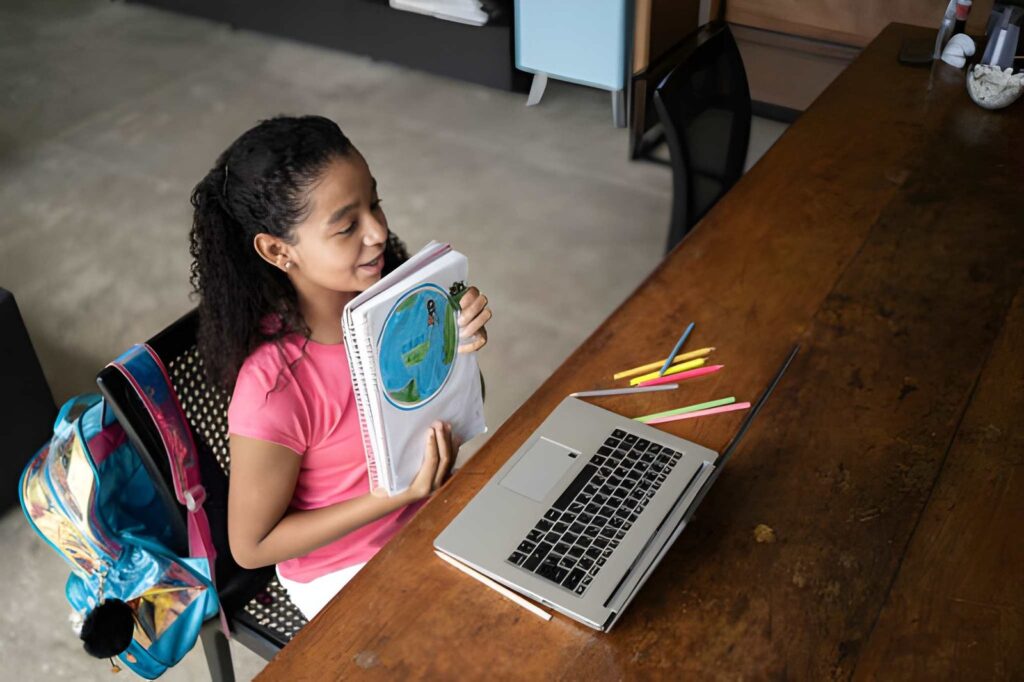
Developing better learning habits every day is one of the most valuable ways to improve your personal growth, career success, and confidence. Whether you are a student, professional, entrepreneur, or lifelong learner, the way you learn matters just as much as what you learn. Strong learning habits help you stay focused, remember information longer, and make steady progress toward your goals.
The good news is that better learning habits do not require huge changes. Small daily actions can create powerful results over time. By building a consistent routine, using effective study techniques, and managing distractions, you can become a more efficient and motivated learner.
Why Learning Habits Matter
Learning habits are the repeated behaviors that shape how you absorb, practice, and apply information. If your habits are weak, learning may feel stressful, disorganized, or overwhelming. You may spend hours studying but remember very little. On the other hand, strong learning habits make the process easier and more productive.
Good learning habits help you:
– Improve focus and concentration
– Retain information more effectively
– Build discipline and consistency
– Reduce procrastination
– Increase motivation and confidence
– Achieve long-term personal and professional goals
When you learn how to develop better learning habits, you create a system that supports success every day.
Start With Clear Learning Goals
One of the best ways to improve your learning habits is to set clear goals. Without a specific goal, it is easy to lose direction or waste time on unimportant tasks. A clear goal gives your learning purpose.
Instead of saying, “I want to learn English,” make your goal more specific, such as, “I will learn 10 new English words every day” or “I will practice speaking English for 15 minutes each morning.” Specific goals are easier to measure and maintain.
Use the SMART goal method when possible. Your goals should be:
– Specific
– Measurable
– Achievable
– Relevant
– Time-based
Clear goals help you stay motivated and track your progress.
Create a Daily Learning Routine
Consistency is the foundation of better learning habits. You do not need to study for several hours every day to improve. In fact, short daily learning sessions are often more effective than long, irregular study periods.
Choose a time of day when your mind is fresh and you are less likely to be interrupted. For some people, this is early morning. For others, it may be during lunch or in the evening. The key is to make learning part of your daily routine.
For example, you can:
– Read for 20 minutes every morning
– Watch an educational video during lunch
– Review notes before bed
– Practice a skill for 15 minutes daily
When learning becomes a habit, you no longer need to rely only on motivation. It becomes a natural part of your day.
Use Active Learning Techniques
Passive learning, such as simply reading or listening, is not always enough. To remember information better, you need to engage with the material. Active learning helps your brain process and store knowledge more effectively.
Some effective active learning techniques include:
– Taking notes in your own words
– Asking questions while studying
– Teaching the topic to someone else
– Creating flashcards
– Summarizing what you learned
– Practicing with real examples
Teaching is especially powerful. If you can explain a concept clearly to another person, it usually means you understand it well. Active learning turns information into knowledge you can actually use.
Break Learning Into Small Steps
Large learning goals can feel intimidating. If a task seems too difficult, you may delay starting. Breaking learning into small steps makes the process more manageable and less stressful.
For example, if you want to learn a new software program, do not try to master everything in one day. Start with the basics. Learn one feature, practice it, and then move to the next. Small steps build momentum.
This method is sometimes called microlearning. It focuses on learning small pieces of information at a time. Microlearning is effective because it reduces mental overload and makes it easier to stay consistent.
Remove Distractions From Your Study Space
Your environment plays a major role in your ability to learn. If your study space is noisy, messy, or full of distractions, it becomes harder to focus. Creating a clean and organized learning environment can greatly improve your productivity.
Start by removing common distractions:
– Put your phone on silent or in another room
– Close unnecessary browser tabs
– Turn off social media notifications
– Keep your desk clean
– Use headphones if your environment is noisy
A dedicated learning space tells your brain that it is time to focus. Even a small corner of a room can become an effective study area if it is organized and distraction-free.
Practice Spaced Repetition
One of the most effective learning habits is spaced repetition. This technique involves reviewing information at increasing intervals over time. Instead of studying something once and forgetting it, you review it regularly until it becomes part of your long-term memory.
For example, you might review new information:
– After one day
– After three days
– After one week
– After two weeks
– After one month
Spaced repetition works well for vocabulary, formulas, facts, and key concepts. You can use flashcards, apps, or a simple notebook to apply this technique. It is a powerful way to improve memory and reduce the need for last-minute studying.
Take Breaks to Improve Focus
Many people believe that studying for long hours without stopping is the best way to learn. However, your brain needs rest to stay sharp. Taking short breaks can improve focus, creativity, and memory.
The Pomodoro Technique is a popular method. It involves studying for 25 minutes, then taking a 5-minute break. After four sessions, take a longer break of 15 to 30 minutes.
During breaks, avoid activities that overstimulate your mind, such as scrolling endlessly through social media. Instead, stretch, drink water, walk around, or take deep breaths. Rest is not a waste of time; it is part of effective learning.
Track Your Progress
Tracking your progress helps you stay motivated and see how far you have come. It also helps you identify what is working and what needs improvement.
You can track your learning by using:
– A journal
– A habit tracker
– A calendar
– A checklist
– A learning app
Write down what you studied, how long you practiced, and what you learned. At the end of each week, review your progress. Celebrate small wins, such as completing a chapter, learning new words, or practicing consistently for several days.
Progress tracking creates a sense of achievement and encourages you to keep going.
Build a Growth Mindset
A growth mindset is the belief that your abilities can improve with effort, practice, and patience. This mindset is essential for developing better learning habits. When you believe you can improve, mistakes become learning opportunities instead of failures.
Instead of saying, “I am bad at this,” say, “I am still learning this.” That simple change in language can make a big difference. Learning takes time, and challenges are part of the process.
People with a growth mindset are more likely to keep practicing, ask for feedback, and try new strategies. This attitude helps you stay resilient and motivated.
Stay Consistent and Patient
Better learning habits do not develop overnight. They are built through repeated daily actions. Some days will be easier than others, and that is normal. The most important thing is to keep returning to your routine.
If you miss a day, do not give up. Simply start again the next day. Consistency does not mean perfection. It means making learning a regular part of your life.
Over time, small improvements add up. Reading a few pages, practicing a skill, reviewing notes, or learning new concepts every day can lead to major growth.
Final Thoughts
Learning how to develop better learning habits every day can transform the way you study, work, and grow. By setting clear goals, creating a daily routine, using active learning techniques, reducing distractions, and tracking your progress, you can make learning more effective and enjoyable.
The key is to start small and stay consistent. Better learning habits are not about doing everything perfectly. They are about making steady progress each day. With patience, practice, and the right strategies, you can become a stronger, smarter, and more confident learner.